



How Physical Therapy Can Strengthen Your Core for Better Balance and Stability

Are you struggling with your balance? Do you often feel unsteady when standing and walking around? If you’re nodding your head to any of these questions, you may want to consider physical therapy at Lycoming Physical Therapy for core strengthening. The muscles in your core help in harboring your center of gravity, which is why many physical therapy practices utilize core exercises for those who struggle with issues like dizziness and vertigo. If you want to improve your balance and strengthen your core, contact Lycoming Physical Therapy to get started today!
Exercise of the Month
DEAD BUG
Lie down on your back with your arms by your sides, your knees bent to 90-degrees, and your feet on the floor. Raise one arm up straight and one knee up towards the ceiling at the same time. Your arm should stay straight and be pointing straight up at the top and your knee should be at 90-degrees and be pointing straight up at the top. 3 Sets, 10 Reps.
It’s Your Choice!
Direct access allows you to be in control of your healthcare and the speed at which you’re able to receive it. Direct access laws allow patients to receive an evaluation and treatment from a physical therapist without a physician’s referral. This means less time and money spent trying to find a solution to your pain and discomfort.
If you require physical therapy for a chronic condition or recent injury, call our clinic today to request an appointment and get started on your journey towards a pain-free life.
The Connection Between Core Strength & Balance
Many people don’t know that your core is integral to physical balance. When your core muscles are strong, they can help prevent you from losing your balance or falling over. A strong core can also improve lower back pain and stop you from developing other injuries.
It is a common misconception that when you work on your core, you’re just working toward toning your abs, but your core muscles are much more than that! The core is more complex and essential to our body’s function than you may think.
There are two core muscles: your inner core and outer core. Both classes have their own unique properties. The inner core muscles are attached to the spine, helping to keep your body in its correct position. The outer core consists of the rectus abdominis, erector spinae, and obliques.
These powerful muscles allow you to maintain upright positions and flex the spine properly.
In addition to aiding in balance and stability, core exercises help to promote weight loss or weight maintenance, stabilize blood pressure, boost energy, and improve circulation.
Common Symptoms of an Imbalance Disorder
If you have a balance disorder, you might experience these symptoms:
- Dizziness or vertigo
- Falling sensations
- Trouble walking straight
- Lightheadedness or feeling like you’re going to faint
- Blurred vision
- Confusion or disorientation
Symptoms can occur when walking, sitting, running, and engaging in physical activity. Many issues may cause a balance disorder, including traumatic brain injury, medication side effects, low blood pressure, and some neurological conditions.

How Physical Therapy Can Help with Core Strength and Stability
Our physical therapists at Lycoming Physical Therapy can help you improve your balance and increase your core strength with a wide range of exercises. Our team will start by assessing your specific situation. This will consist of a comprehensive evaluation and movement screening. We will have you perform a series of stationary and movement-based activities to identify any weaknesses or limitations affecting your balance.
This information will help us design a program tailored to your specific needs. During sessions, you and your physical therapist will work on exercises that encourage static balance (sitting or standing still) and dynamic balance (moving and doing daily activities).
Your therapist may also teach you how to respond to potential falls in order to prevent injury. Luckily, exercises are designed to fit all physical skill levels and the severity of conditions. During the treatment, your physical therapist will provide effective exercises tailored to your needs and overall comfort.
Your therapist may use aerobic steps and stability ball training during your treatment. A few different exercises are performed with this type of equipment, such as the Seated Ball Balance and Ball Walks. Yoga balls focus on all areas of your body, allowing you to improve balance and stability without requiring strenuous exercise.
During physical therapy, you may also work with weight lifting, which opens the chest, strengthens back muscles, and improves the range of motion. People who lift weights regularly notice a difference in posture and stability.
Seeing a licensed physical therapist regularly helps you train your inner and outer core muscles for improved balance and range of motion. Contact us to get started with one of our highly trained physical therapists at Lycoming Physical Therapy today!
Aquatic Therapy: Healing in Motion
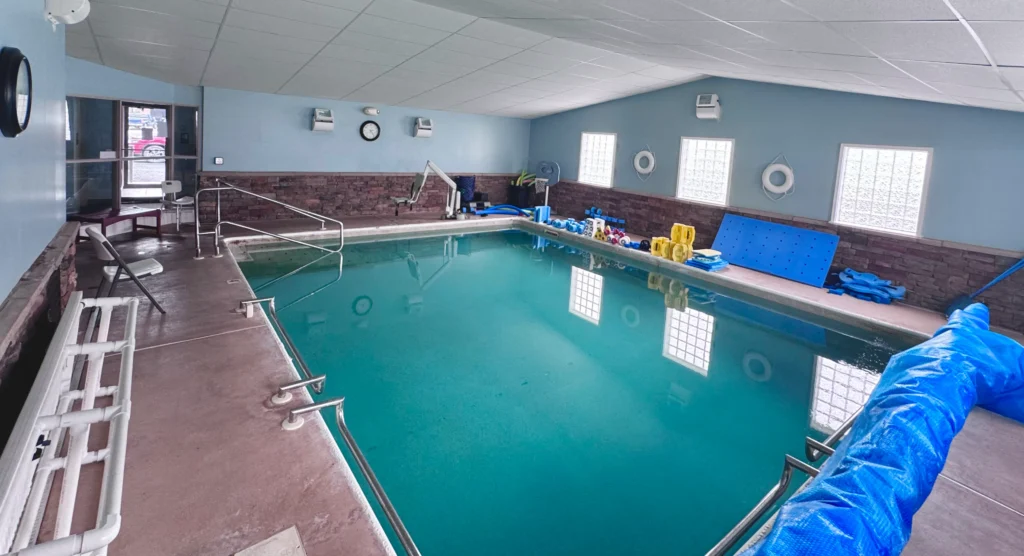
Aquatic therapy is transforming the way patients recover, rebuild strength, and regain confidence—by taking rehabilitation into the water. This specialized form of physical therapy is performed in a temperature-controlled pool under the guidance of a trained therapist, combining targeted exercise with the naturalb therapeutic properties of water.
What makes aquatic therapy so effective is the unique environment it creates. Water’s buoyancy reduces the effects of gravity, supporting the body and significantly decreasing stress on joints and muscles. This allows patients to move more freely and comfortably—even when land-based movement is painful or limited. At the same time, water provides gentle resistance, helping to build strength and endurance without overloading the body.
The benefits go beyond comfort. Aquatic therapy can help improve mobility, flexibility, balance, and coordination while also reducing pain and swelling. Warm water further enhances relaxation, increases circulation, and supports muscle recovery, creating an ideal setting for healing. This approach is especially valuable for individuals recovering from surgery or injury, managing chronic pain, or living with conditions such as arthritis, neurological disorders, or balance impairments. By making movement easier and less intimidating, aquatic therapy often serves as a bridge—helping patients buil strength and confidence before transitioning back to land-based activities.
At its core, aquatic therapy offers something many patients need most: the ability to move again with less pain, greater support, and renewed confidence.
Patient Success
“Top notch physical therapy center. Excellent clinical skills of therapists, friendly atmosphere (Josh and front desk people), and they will remember your name and provide you with any answers you need. This center has good vibes for healing. Lastly Geoffrey my therapist was knowledgeable and was very professional and very caring.
Highly recommend.” – M.M.

Request an Appointment at Lycoming Physical Therapy Today!
Physical therapy may be the answer if you have a weak core or are struggling with balance. At Lycoming Physical Therapy, we are compassionate about your healing journey and can’t wait to help you succeed in your recovery. Our physical therapists will thoroughly examine your current condition, physical health, limitations, and any other contributing factors to create a customized treatment plan that’s right for you. Don’t wait to start feeling stronger and better! Contact our office and get started on the road to recovery today!
Recipe of the Month: Lemon Garlic Chicken with Asparagus & Potatoes

Ingredients:
- 2 boneless chicken breasts (or thighs)
- 1 bunch asparagus, trimmed
- 1 lb baby potatoes, halved
- 3 cloves garlic, minced
- 1 lemon (zest + juice)
- 2–3 tbsp olive oil
- Salt & pepper
- Optional: fresh herbs (parsley, thyme, or dill)
Instructions:
- Roast the potatoes: Preheat oven to 425°F (220°C). Toss potatoes with olive oil, salt, and pepper. Roast for about 15 minutes.
- Add chicken & asparagus: Push potatoes to one side of the pan. Add chicken and asparagus. Drizzle everything with olive oil, garlic, lemon zest, and juice. Season well.
- Finish roasting: Roast another 15–20 minutes until chicken is cooked through and potatoes are tender.
- Serve: Sprinkle with fresh herbs and an extra squeeze of lemon.