

Strength Training Helps You with Osteoporosis
Create Your Own Path To Stronger Bones
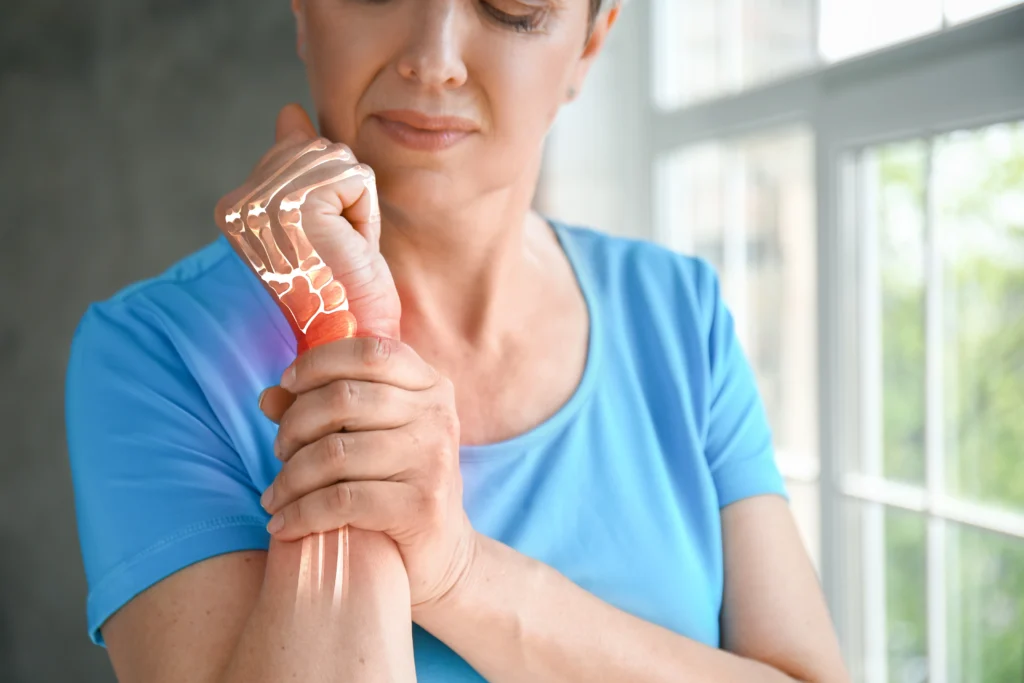
Do you ever find yourself worrying about your bone health? Perhaps a family member has been diagnosed with osteoporosis, or maybe you’ve noticed a slight decrease in your height or stooped-over posture. It’s natural to feel concerned, but the good news is that there are effective ways to manage and even improve bone health. One such method that is gaining increasing recognition is strength training with physical therapy.
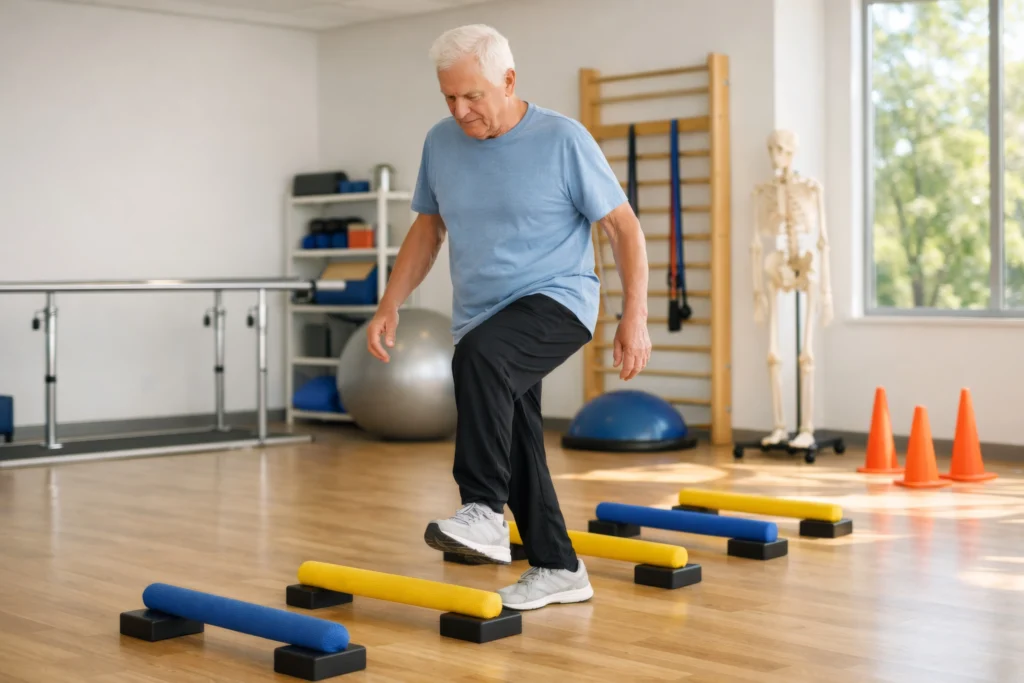
Exercise of the Month
Squats
Stand with your feet shoulder-width apart and arms extended in front of you for balance. Slowly bend your knees and lower your hips as if sitting back into a chair, keeping your chest lifted and knees behind your toes. Push through your heels to return to standing. 3 Sets, 10 Reps.
It’s Your Choice!
Direct access allows you to be in control of your healthcare and the speed at which you’re able to receive it. Direct access laws allow patients to receive an evaluation and treatment from a physical therapist without a physician’s referral. This means less time and money spent trying to find a solution to your pain and discomfort.
If you require physical therapy for a chronic condition or recent injury, call our clinic today to request an appointment and get started on your journey towards a pain-free life.
The Connection Between Osteoporosis and Strength Training
Osteoporosis is a condition characterized by decreased bone mass and density, leading to increased bone fragility and a higher risk of fractures. It affects millions of people worldwide, particularly women after menopause.
Causes of Osteoporosis
The causes of osteoporosis are complex and multifaceted and often include the following:
- Hormonal Changes
- Age
- Genetics
- Gender
Risk Factors
- Family history of osteoporosis
- Low calcium intake
- Vitamin D deficiency
- Smoking
- Excessive alcohol consumption
- Sedentary lifestyle
Symptoms
Osteoporosis can remain asymptomatic until a fracture occurs. However, there may be subtle signs, such as:
- Gradual height loss
- Stooped posture
- Increased susceptibility to fractures, even from minor falls
If you suspect you may have osteoporosis or are at risk, it’s crucial to seek medical evaluation and guidance.
Strength training with physical therapy techniques involves using weights, resistance bands, or body weight to challenge your muscles and bones. When you engage in strength training exercises, you create a mechanical load on your bones, stimulating bone cells called osteoblasts to build new bone tissue, which increases bone mass and strength. Furthermore, strength training improves muscle mass and balance, which helps reduce the risk of falls and fractures.
Personalized Strength Training Program For Osteoporosis
A 75-year-old woman came to our clinic after being diagnosed with osteoporosis. She had a noticeable decrease in her height and a family history of osteoporosis. She was anxious about the possibility of fractures and falls and was eager to find ways to improve her bone health.
Our physical therapists worked with her to develop a comprehensive strength training program. She started with low-impact exercises using resistance bands and gradually progressed to using weights and bodyweight exercises. Her program focused on strengthening her hips, spine, and core muscles, improving her posture, and increasing her overall strength and balance.
Over time, she noticed significant improvements in her strength and posture and also felt more confident and empowered. Strength training helped to improve her physical health and left a positive impact on her mental and emotional well-being.

Nutrition and Osteoporosis: Fueling Strong Bones
Osteoporosis, a condition marked by fragile bones prone to fractures, is a significant concern for many, particularly women after menopause. Exercise and physical therapy can help manage this condition, but proper nutrition forms the foundation for building and maintaining healthy bones.
- Calcium: Calcium is the most abundant mineral in the body and the primary component of bone tissue, which makes it essential for supporting bone health and preventing osteoporosis. Dairy products, kale, broccoli, and bok choy are excellent sources.
- Vitamin D: Vitamin D is crucial for calcium absorption and plays a vital role in bone health. It is primarily synthesized in the skin through exposure to sunlight but can also be obtained through dietary sources like fatty fish, egg yolks, and fortified foods.
- Other Essential Nutrients: While calcium and vitamin D are vital, other nutrients contribute to bone health. Magnesium aids in bone formation and calcium absorption. Potassium helps maintain calcium balance in the body. Vitamin K is involved in bone mineralization.

Dietary Tips for Strong Bones
- Prioritize calcium-rich foods.
- Include a variety of fruits, vegetables, and whole grains in your diet.
- Limit processed foods, sugary drinks, and excessive alcohol consumption because these can negatively impact bone health.
By fueling your body with the right nutrients, you can take proactive steps toward building and maintaining strong bones. Remember, a balanced diet, combined with regular exercise and other healthy lifestyle choices, is key to managing osteoporosis and enjoying a vibrant, active life.
Strength Training For Osteoporosis at Lycoming Physical Therapy
Incorporating strength training into a physical therapy program with our dedicated professionals is a safe and effective way to manage osteoporosis. We will conduct a thorough assessment, considering your medical history, current symptoms, and fitness level. Then we’ll design a personalized exercise program that targets specific muscle groups, focuses on proper form and technique, and gradually progresses in intensity as your strength and endurance improve.
If you or someone you know is struggling with osteoporosis, don’t wait any longer to schedule the first appointment. Our team of experienced physical therapists is here to help you enhance your well-being with stronger bones and improved mobility through a personalized treatment plan that addresses your specific needs and goals. Remember, it’s never too late to take control of your bone health. Call us today to schedule an appointment and start building a stronger, healthier you!
Patient Success
“I was having knee issues, and I went there to learn how to strengthen my legs without injuring my knees. It’s no longer painful to walk down stairs. My leg strength has improved, and I have the tools to continue to increase and maintain the strength. Bakti was great, and I’m thoroughly satisfied with the help I got there.” – W.B.
Recipe of the Month: Blender Banana Spinach Muffins

Ingredients:
- 2 eggs
- 2 medium to large extra ripe bananas
- ¼ cup pure maple syrup or honey
- ⅓ cup dairy free milk of choice
- 3 cups fresh spinach
- 1 teaspoon vanilla extract
- 1 cup packed blanched almond flour
- 1 cup oat flour
- ¼ cup flaxseed meal
- 1 teaspoon cinnamon
- 1 teaspoon baking powder
- ½ teaspoon baking soda
- ¼ teaspoon salt
- 2 tablespoons hemp seeds
Instructions:
- Preheat the oven to 375 degrees F. Line a muffin tin with 10 muffin liners (we’re only making 10 muffins). Spray the inside of the muffin liners with nonstick cooking spray so the muffins do not stick to the liners.
- Add the eggs, bananas, maple syrup/honey, dairy free milk, spinach and vanilla extract to a large, high powered blender and blend on high for 1 minute or until completely smooth. Set aside.
- In a large bowl whisk together the almond flour, oat flour, flaxseed meal, cinnamon, baking powder, baking soda and salt until well combined. Pour the blended wet ingredients over the dry ingredients and mix with a wooden spoon until well combined. Feel free to stir in hemp hearts, if using. Divide the batter between the muffin liners. Bake for 20-25 minutes or until a toothpick comes out clean or with just a few crumbs attached.