



Finding Relief from Neuropathy
How Physical Therapy Helped One Patient Get His Life Back

Have you ever sat for too long in one position and had your leg or foot fall asleep? That numb, tingling sensation can be extremely uncomfortable, but at least it disappears after a few minutes. However, when you’re living with neuropathy, that uncomfortable numbness becomes part of your day-to-day life, making it hard to stay active, take care of chores and other tasks, and participate in the activities that matter most to you. This was the case for Jim (not his real name). Jim was in his sixties, but he loved to be on the move. Whether spending time in his woodshop or walking the trails with his grandkids, staying active was a big part of his life.
But last year, he noticed a tingling in his feet that wouldn’t go away. Then came the numbness, the sharp jabs, and finally, a growing unsteadiness that made even short walks risky. He didn’t know it then, but he was experiencing peripheral neuropathy. Fortunately, the team at Lycoming Physical Therapy was here to help.
It’s Your Choice!
Direct access allows you to be in control of your healthcare and the speed at which you’re able to receive it. Direct access laws allow patients to receive an evaluation and treatment from a physical therapist without a physician’s referral. This means less time and money spent trying to find a solution to your pain and discomfort.
If you require physical therapy for a chronic condition or recent injury, call our clinic today to request an appointment and get started on your journey towards a pain-free life.
What Is Neuropathy?
Neuropathy refers to damage to the nerves that connect your brain and spinal cord to the rest of your body (called peripheral nerves). This condition often causes various symptoms, depending on which nerves are affected, including:
- Tingling or numbness in the hands or feet
- Sharp, stabbing, or burning pain
- Muscle weakness
- Loss of balance or coordination
Jim’s symptoms progressed slowly. At first, he chalked it up to getting older. But eventually, he could not feel his feet hitting the ground. Simple tasks like climbing stairs became challenging. He wanted to get back to playing golf again and hiking trails for hunting. His quality of life was slipping away. He feared that his independence would follow. However, it can be managed, particularly with the help of physical therapy, which focuses on:
- Improving muscle strength and joint stability
- Restoring safe movement and balance
- Reducing fall risk
- Teaching strategies to manage symptoms in daily life
At his doctor’s suggestion, Jim scheduled an appointment with Lycoming Physical Therapy.
Finding Help with Physical Therapy
Jim’s first visit involved a comprehensive assessment to help our PTs fully understand his symptoms. We listened to Jim’s story and ran some simple tests to evaluate his strength, balance, and nerve response. Using this information, we created a comprehensive treatment plan blending several treatment approaches:
Manual Therapy
Hands-on treatment techniques, including gentle manipulation of his soft tissue and passive stretching exercises, helped Jim loosen tight muscles and improve blood flow. He noticed that the sessions helped him move more easily over time.
Strengthening Exercises
Muscle weakness can worsen neuropathy symptoms, so we guided Jim through targeted exercises to strengthen his core and lower body with resistance bands and bodyweight movements. This approach helped reduce muscle fatigue during daily tasks.
Balance and Gait Training
Like many people with neuropathy, Jim had developed a habit of shuffling his feet to avoid falling–but this actually made his balance worse. We guided him through personalized exercises to improve his stability and correct his walking patterns, helping him regain confidence in his footing.
Sensory Reeducation
With reduced feeling in his feet, Jim had trouble recognizing textures and movement cues. We worked with him to help his brain relearn how to process signals from his legs and feet through proprioceptive training, which helps the body sense its position in space.
Getting His Life Back
After eight weeks of consistent therapy, Jim’s symptoms had decreased significantly. While he still struggled with numbness and tingling, his balance was vastly improved, and he could walk on uneven ground without fear. He returned to woodworking and even took a weekend trip with his family, where he had a blast exploring the woods with his grandkids. He now continues a modified home exercise program to help manage his symptoms and checks in with his PT every few months.
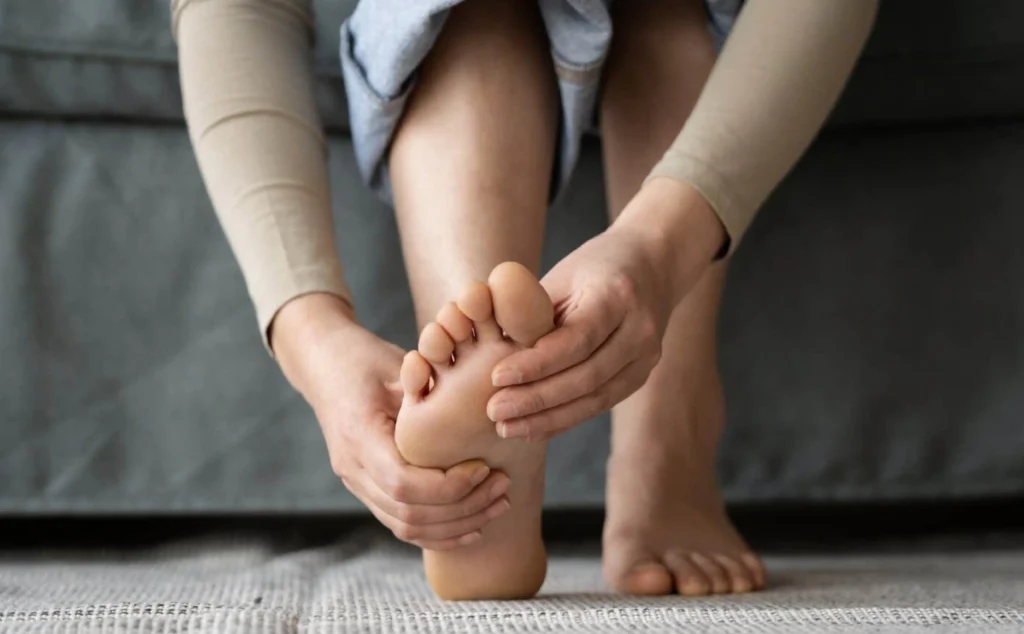
Do You Need a Little Help Managing Neuropathy?
If you’re dealing with persistent numbness, burning pain, or weakness in your hands or feet, it could be neuropathy. Fortunately, the team at Lycoming Physical Therapy is here to help you feel steadier and more in control. Schedule an appointment with us today to learn more.
Feel Better Faster With The Neubie!
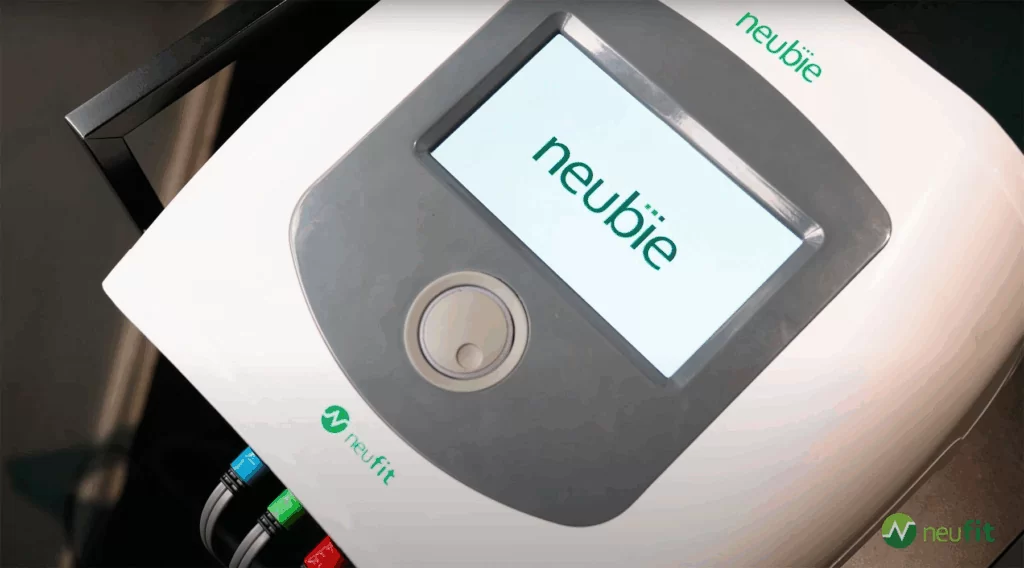
Lycoming PT is proud to offer the Neubie® by Neufit, an advanced, FDA-cleared “Neuro-Bio-Electric Stimulator” that’s transforming rehabilitation and recovery. The Neubie uses gentle direct-current electrical stimulation to target the nervous system, promoting faster healing and reduced pain.
For patients dealing with neuropathy, the Neubie provides a groundbreaking approach supporting nerve activation, improving sensation, and helping restore confidence in movement. Its applications reach even further, assisting with chronic pain, injury recovery, and athletic performance enhancement.
At Lycoming Physical Therapy, we’re committed to offering cutting-edge, science-backed solutions that deliver real, visible results. We’re excited to bring the Neubie’s proven benefits to our community and to support our patients on their journey to feeling and moving better.

Patient Success
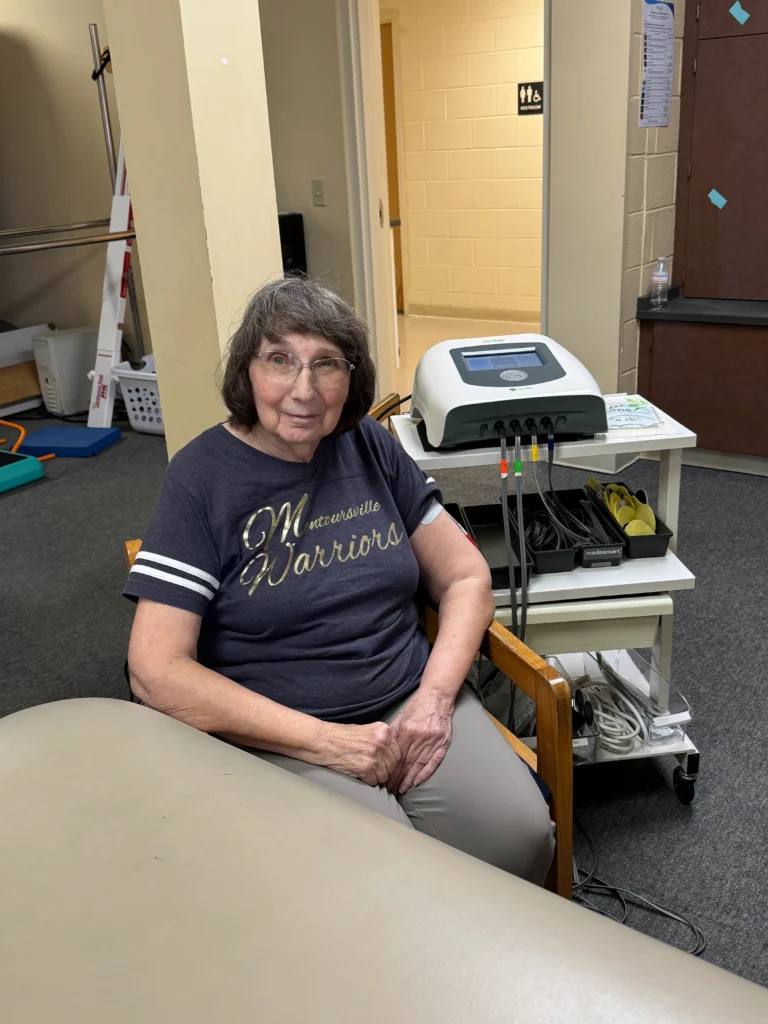
“I am currently doing physical therapy and I have used the Neubie. It is great! When starting with the Neubie I researched about it and found the Neubie does all that it claims. When choosing a therapist be sure that they have “The Neubie.” You won’t regret it! “
-Debbie
Recipe of the Month: Cinnamon Rolls

Ingredients:
DOUGH
- ¾ cup milk
- 2 ¼ teaspoons active dry yeast
- ¼ cup granulated sugar
- 4 tablespoons salted butter, melted and cooled
- 1 large egg plus 1 large egg yolk, at room temperature
- 3 cups bread flour, plus more as needed
- ¾ teaspoon kosher salt
- Extra-virgin olive oil, for greasing the bowl
FILLING
- 4 tablespoons salted butter, softened
- ⅔ cup packed dark brown sugar
- 1 ½ tablespoons ground cinnamon
CREAM CHEESE FROSTING
- 4 oz cream cheese, softened
- ¾ cup powdered sugar
- 3 tablespoons salted butter, softened
- ½ teaspoon vanilla extract
Instructions:
- Warm milk in a microwave-safe bowl for 45–60 seconds, until 115°F. Pour into a stand mixer bowl fitted with the paddle attachment and sprinkle yeast on top. Add sugar and let sit until foamy, about 5 minutes. Add melted butter, egg, and egg yolk; mix on medium speed until combined, about 30 seconds. Stir in flour and salt with a wooden spoon until a dough begins to form.
- Attach the dough hook and knead on medium speed until soft and slightly sticky, 8–10 minutes. Add up to 3 tablespoons more flour if needed. (Alternatively, knead by hand on a floured surface for 8–10 minutes.) Warm a clean dish towel in the dryer during this step. Lightly grease a large bowl with olive oil. Transfer dough to the bowl, cover with plastic wrap and the warm towel, and let rise until doubled, 1–1½ hours. Dough is ready when an indentation from a finger does not spring back immediately.
- Dust a surface with flour and roll dough into a 10×14-inch rectangle. Spread softened butter evenly, leaving a ¼-inch margin on one short edge. Mix brown sugar and cinnamon; sprinkle over butter and gently press into it. Roll tightly from the opposite short side, pinch to seal, and place seam-side down. Trim ½ inch off each end. Compact the roll slightly by pressing inward from both ends. Cut into nine 1-inch slices using dental floss or a serrated knife.
- Line a 9-inch round or square pan with parchment. Arrange rolls in the pan, cover with plastic wrap and towel, and let rise until doubled and touching, 45–60 minutes. Preheat oven to 350°F. Bake rolls for 20–25 minutes, until golden on the edges but soft in the center. Cool for 10 minutes.
- In a mixer with the whisk attachment, beat cream cheese, powdered sugar, butter, and vanilla on low for 30 seconds, then on medium-high until smooth and fluffy, 1–2 minutes. Spread over warm rolls. Cover pan tightly or place rolls in airtight containers. Refrigerate up to 5 days. Reheat individual rolls in the microwave in 15-second intervals until warm.