


Struggling with Neuropathy Symptoms?
We Can Help!
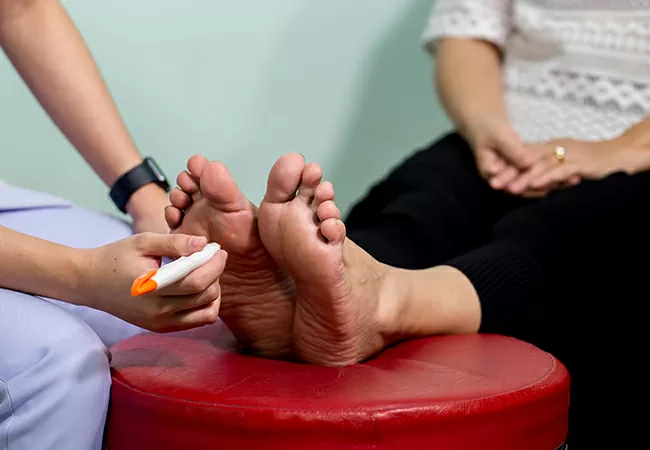
Have you been experiencing numbness and tingling in your arms or legs? Do your muscles feel weak? Do you struggle with balance? All of these symptoms can indicate neuropathy, a condition resulting from nerve damage.
Your body contains an enormous network of nerves that transmit messages from your brain to the rest of your body. The central nervous system includes your brain and spinal cord, while the peripheral nervous system refers to all the nerves radiating out to your extremities.
When any of the nerves in your body are damaged, it can cause a wide range of symptoms depending on the source of the damage and the specific nerves affected. Central neuropathy, which affects the central nervous system, generally develops due to serious medical conditions like stroke, brain or spinal cord injury, or multiple sclerosis. Peripheral neuropathy, which affects the peripheral nerves, generally results from diabetes or nerve injury.
At Lycoming Physical Therapy, we offer several techniques to help you manage neuropathy symptoms, such as hands-on manual therapy, targeted exercises, and more. Let’s explore your options!
___
How Do I Know If I Have Neuropathy?
Neuropathy symptoms will vary based on which type of nerve is affected. You have three types: sensory, motor, and autonomic. In many cases, multiple types of nerves are damaged, leading to a blend of symptoms.
Sensory Symptoms
Your sensory nerves allow you to feel different sensations, such as hot or cold temperatures. If affected, you might notice these symptoms:
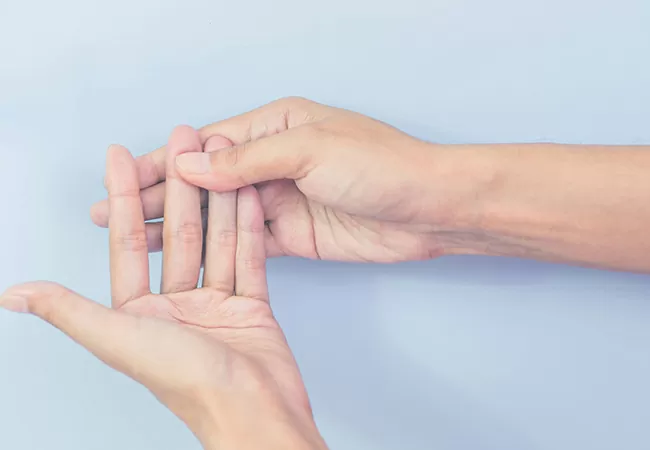
- Numbness or tingling that starts in the fingers and toes and then gradually moves up the limb
- Burning or shooting pain
- Balance challenges
- A sensation that feels like wearing a sock or glove
Motor Symptoms
Your motor nerves control muscle movement. Damage to these nerves can cause the following symptoms:
- Muscular weakness or atrophy
- Painful cramps in the muscles
- Twitching sensation in the muscles
Autonomic Symptoms
Your autonomic nerves control your body’s automatic functions, such as breathing or digesting food. If affected, you might notice the following:
- Heat intolerance
- Excessive sweating
- Gastrointestinal symptoms
Managing Neuropathy with Lycoming Physical Therapy
We recognize how challenging it can be to manage neuropathy symptoms, regardless of the cause. Our team of physical therapists will work closely with you to develop a personalized treatment program based on the reason for your neuropathy and specific complaints.
Here are just some of the ways we can help:
Manage Pain
We offer several all-natural approaches to alleviating pain from neuropathy, including soft tissue manipulation (with or without an instrument), joint mobilizations, target exercises, and various pain-relieving modalities.
Improve or Maintain Mobility
Struggling with overall movement issues? We’ll guide you through mobility exercises to help you move better, allowing you to perform everyday tasks.
Help You Understand Your Symptoms
Living with neuropathy is difficult – but the more you understand your condition, the better you can manage it. We’ll discuss lifestyle changes and activity modifications to make life easier.
Improve or Maintain Muscle Strength
Because neuropathy can affect your muscle function, it’s important you work to maintain muscle strength. We’ll create personalized strengthening programs that address your specific needs and guide you through them, adjusting as needed. We might utilize biofeedback to help you understand your muscle function (and what needs to be improved).
Address Balance Issues
Neuropathy often affects balance and stability, increasing your risk of falling. Our customized balance training programs will help manage any balance-related impairments. We can work with you to address problems with your walking patterns and guide you through progressive balance challenges to help you improve stability over time.

Let Us Help You Find Relief From Neuropathy Symptoms
Neuropathy can make even the simplest tasks feel impossible. Shooting nerve pain, numbness, and tingling might keep you housebound. Impaired muscle function can make it significantly harder to stay physically active.
Fortunately, the physical therapists at Lycoming Physical Therapy have the tools and training to address your symptoms (and, in some cases, the underlying cause). Our ultimate goal is to improve your function so you can live a full, healthy life.
No insurance?
No problem!
We ensure that our cash pay rates are as low as possible to make physical therapy accessible for everyone.
Call our team to learn more!
Montoursville
570.231.3510
Muncy
570.277.5526
Our Patients Get Great Results
“Cheri helped me get back to running after ITBand syndrome and Gluteal Tendinopathy brought me to a full stop. She was great to work with and gave me the tools I needed to continue improving on my own. Now, I am a few short weeks away from running the NYC Marathon! I am very thankful that I went to Lycoming Physical Therapy and will definitely go back if I need help in the future.”
-Stacy W.
Essential Exercises
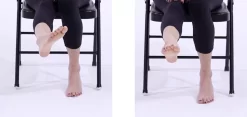
Ankle Alphabets
Start by sitting up straight in a chair. Raise one leg out in front of you. Slowly write the letters of the alphabet with your foot, only moving at your ankle joint. Repeat 3 sets, 10 reps each.


Feel Better by Eating Better!
Oatmeal Pancakes With Cinnamon Apples
These apple cinnamon oatmeal pancakes are not only full of healthy ingredients, but they’re thick, filling and perfect to get you started in the morning!
Directions:
In a large bowl, mix the buttermilk, oats, flour, milk, butter, baking powder, baking soda, cinnamon, and nutmeg. Let it rest. In a small saucepan, simmer the apple, apple juice, and cinnamon until the apple softens and the liquid thickens. Preheat the oven to 200°F. Heat a skillet over medium heat and add butter or cooking spray before each round. Scoop ¼ cup portions of batter, spreading into thin circles. Cook 2-3 minutes per side. Keep pancakes warm in the oven. Serve with warm apples.
Ingredients
- 1 ½ cups buttermilk
- ¾ cup instant rolled oats
- ¾ cup whole wheat flour
- 2 Tbsp milk
- 1 Tbsp melted butter
- • ½ tsp baking powder
- ½ tsp baking soda
- Pinch of cinnamon (plus ⅛ tsp for the apples)
- Pinch of nutmeg
- 1 Granny Smith apple, peeled, cored, and chopped
- ½ cup apple juice
- Butter or cooking spray