



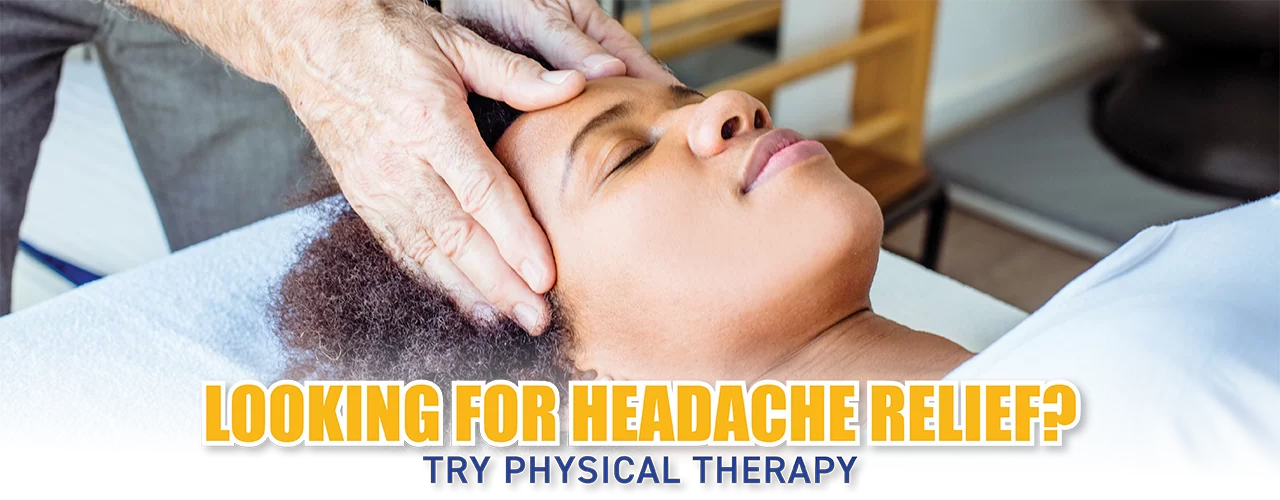

We’ve all had them, and we all hate them: headaches are an easy way to ruin your day. Headaches and migraines are widespread and can develop for several different causes. Sometimes, those causes stem from musculoskeletal issues. In those cases, physical therapy at Lycoming Physical Therapy can help you find relief.
Are you struggling with persistent headaches? Have you tried everything and still aren’t sure what to do to get them under control? Give us a call. We can assess your headache, help identify triggers, and, in many cases, often pain relief through manual therapy techniques.
___
Not All Headaches Are the Same:
Deciphering Your Symptoms
One of the reasons addressing headaches can be so difficult is that you need to determine the type of headache you have and its specific cause before you can find the right treatment. Our physical therapists can help with this process by performing a comprehensive evaluation of symptoms and potential triggers.
When you visit us, try to be as descriptive as possible about your headache. Here are some questions to keep in mind:
• Where do you feel your pain? Is it a tight band around your head? Is it behind one eye?
• Did the pain start in a different location (such as your neck) before moving into your head?
• How does the pain feel? Is it throbbing? Dull?
• What were you doing when the headache started?
• If you get frequent headaches, what patterns have you noticed? (For example, maybe you get headaches when you skip breakfast.)
• Are your headaches accompanied by other symptoms, such as nausea or light sensitivity?
In addition to reviewing your symptoms, our PTs might ask you to perform simple movement screens to evaluate your posture or to test the range of motion in your neck. We’ll also ask about any injuries you have suffered to your head, neck, or jaw.
All this information helps us better identify your headache and your options for treating it.
What We Can Do to Help You Find Lasting Headache Relief
Physical therapy is an excellent choice for addressing a specific type of headache: cervicogenic headaches.
Cervicogenic headaches develop due to issues in the neck. They’re a type of referred pain in which the problem in your neck causes pain in your head, usually radiating up the back of your head to the area around your temple, eye, and ear.
Different things can cause cervicogenic headaches, including poor posture, neck injuries, or degenerative conditions in the cervical spine.
If we determine you’re suffering from a cervicogenic headache, we’ll develop a customized plan to manage your headache pain and address the underlying cause. Techniques we might use include the following:
• Manual therapy techniques to mobilize the neck joint and manipulate the neck’s soft tissue
• Stretches to relieve tension and improve mobility in the neck and shoulders
• Strengthening exercises for your neck, upper back, and shoulders to provide additional support and stability
• Postural corrections to keep your entire spine in alignment
What About Other Types of Headaches?
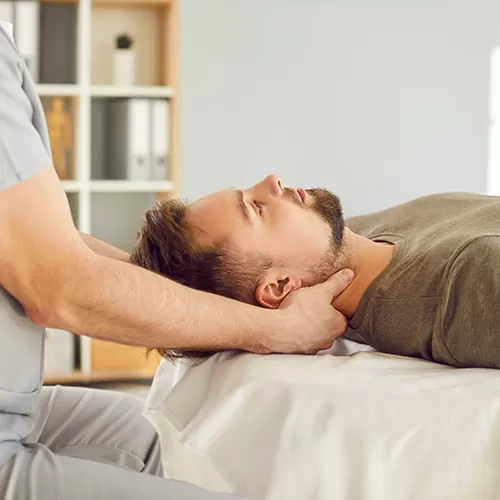
Of course, we may discover you’re suffering from another headache type. In these cases, we may not be able to resolve the underlying cause of your headache (if there is one), but we can help you understand your headache better.
For example, many headaches have specific triggers. Migraines are notorious for this; people can develop migraines due to changes in their sleep schedule, eating certain foods, smelling certain scents, and more. Thanks to our comprehensive assessment, our PTs can help you better identify potential triggers and, if necessary, refer you to another specialist for treatment.
We might also be able to help with acute pain relief. Myofascial release and trigger point therapy are two manual therapy techniques that involve working out restrictions in your myofascia, a band of connective tissue that wraps around your muscles. There’s some evidence that myofascial release can help manage pain from migraines or tension-type headaches (another common headache type).
So, while these techniques might not resolve your pain, they offer a drug-free alternative to pain management.

Get Started with Headache Relief Today
If your headache has you at your wits’ end, schedule an appointment with Lycoming Physical Therapy. We’ll review your symptoms, help you better understand the potential cause of your headache, and help you find a treatment plan that works for you.
Meet Amy Decker

Amy Decker
Customer Service Specialist
Amy is a lifelong resident of Lycoming County. She graduated from South Williamsport High School and Penn State University. Amy is currently attending Commonwealth University, Lock Haven Campus pursuing her master’s degree.
The best part of working at Lycoming Physical Therapy is seeing the progress the patients make, knowing that the work we do here really makes a difference in people’s lives.
Amy is an active member of the Muncy Lions Club, the Williamsport/Lycoming Chamber of Commerce Membership Committee, is Vice-Chair of the Valley View Nursing Home Board of Directors, and is a 2021 graduate of Leadership Lycoming.
In her spare time, Amy likes to golf, read, spend time with her puppy, Hank, and work in her stained glass studio.

Understanding the Different Types of Headaches
So, what are the different types of headaches, anyway?
That’s a surprisingly tricky question, as there are over 150 different ones! Experts generally classify them into different categories based on whether or not they are primary (no underlying medical condition) or secondary (stemming from an underlying condition).
Here are some common ones.
Primary Headaches
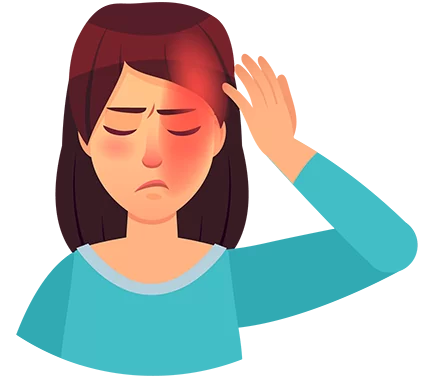
Migraine
Migraines cause recurring attacks, lasting 4 hours to 3 days, of throbbing or pulsing pain on one side of the head, plus additional symptoms like light or noise sensitivity or nausea.
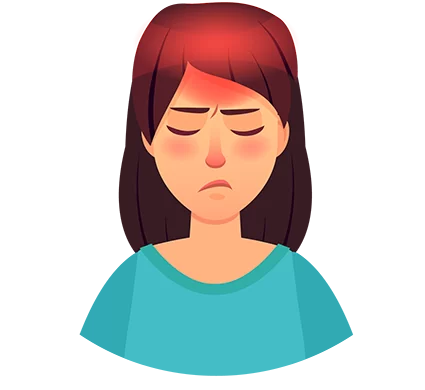
Tension
These headaches develop due to contracting neck, face, or jaw muscles. You’ll usually feel them as pressure on both sides of your head.
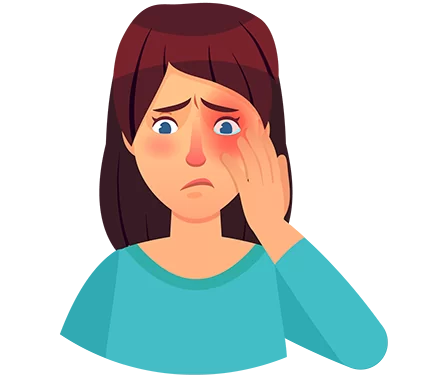
Cluster
This type causes extremely painful, migraine-like headaches that occur around the same time for several weeks (i.e., in a cluster).
Secondary Headaches
Sinus
A sinus headache occurs due to inflammation of your sinuses, which is where you’ll feel the pressure — like pain — in your cheeks, brow, or forehead.
Cervicogenic
Because these headaches develop due to an underlying issue in the neck, they’re considered secondary headaches.
Not sure what type of headache you’re dealing with? Contact Lycoming Physical Therapy to schedule an appointment — we’ll review your symptoms and help you get to the bottom of it!
Our Patients Get Great Results
“I am very happy to have had a balance evaluation at Lycoming Physical Therapy! Staff is friendly, accommodating & helpful. My therapist, Thomas, immediately pinpointed areas I need to focus on for strength & stability. Thank you for taking such great care during therapy!”
-Angie F.
Essential Exercises
Sitting Cervical Side-Bending Right with Overpressure
Start by sitting upright in a chair with your lower back supported. Tuck in the chin to straighten the neck. Place your right hand over the top of your head, with fingers pointed towards the ear. Keep your left hand on the back of the neck as support. Bend your neck to the right, allowing your right hand to assist you in going deeper into the motion. Hold for 3 seconds.



Baked Falafel
This baked falafel recipe is crispy on the outside and soft on the inside. Chickpeas, fresh herbs, garlic onion and spices make this falafel recipe flavorful and delicious. Plus this healthy falafel recipe is naturally gluten-free, vegetarian, and vegan. Serve them stuffed inside a pita or over a salad for a delicious meatless meal.
DIRECTIONS
Preheat oven to 400 degrees F. Add chickpeas, onions, parsley and cilantro to your food processor fitted with an “S” blade. Process until well combined (but still chunky). Add salt, pepper, garlic powder, coriander, cumin, baking powder and flaxseed. Process until well mixed and fine (mixture will ball up in the processor). Grease a large baking sheet with oil (olive or canola). Roll about 2 TBS of falafel mixture into balls and then flatten into discs and place on baking sheet evenly spaced. Bake in preheated oven for 20 minutes, flip and bake on second side for 10-15 minutes. Remove from oven and serve with tzatziki sauce, in a pita, or on a salad!
Ingredients
• 1 15 oz can chickpeas drained and rinsed
• ½ cup white onion finely diced
• 1 cup fresh parsley lightly packed
• 1 cup fresh cilantro
• ½-1 tsp sea salt (to taste)
• ¼ tsp ground black pepper
• 1 tsp garlic powder
• 1 tsp coriander
• 2 tsp cumin
• 2 tsp baking powder
• 2 TBS ground flaxseed
• 1 TBS olive oil