


How Physical Therapy
Helps Pelvic Health
Are you living with symptoms you find difficult to talk about? Perhaps you’re struggling with incontinence, sexual dysfunction, or endometriosis. Maybe you’ve developed a pelvic organ prolapse.
While these conditions can sound scary, they’re very treatable. Unfortunately, they often stem from issues related to pelvic health, and many people will live with pain and discomfort due to being uncomfortable sharing their concerns. At Lycoming Physical Therapy, we want to change that. Our physical therapists frequently help people manage their pelvic health, offering private rooms and a judgment-free zone where you can share your symptoms and get the treatment you need. Today, we want to explore pelvic health: what it is, how it can impact your life, and how our physical therapy services can help improve it. Still have questions? Our friendly staff is happy to answer them. We’re just a phone call away!
What Do We Mean by Pelvic Health?
Your pelvic floor is a sling of muscles at the base of your core. It acts as a “hammock” for your pelvic organs, including your bladder, bowels, prostate (in men), and sexual organs (in women). When the pelvic floor is healthy, it supports those organs and helps them function properly. But when it becomes impaired–such as being weak or overly restricted–you can experience several different symptoms.
Anyone can experience issues with their pelvic floor, although the exact concerns can vary somewhat with gender. Here are some of the common complaints we help treat:
- Urinary Incontinence: Anyone can develop urinary incontinence, although it is more common in women. This can include stress incontinence (leaking when laughing or coughing), urge incontinence (having an overwhelming need to go), or a combination.
- Pelvic Pain: Pelvic pain can have a variety of causes, from nerve issues to gynecological conditions like endometriosis. We’ll help determine the cause and find the right treatment option for your needs.
- Sexual Dysfunction: For women, sexual dysfunction can include painful intercourse or difficulty with orgasm. For men, it can include erectile dysfunction or painful ejaculation. But either way, pelvic floor impairment is often the culprit.
- Pelvic Organ Prolapse: This occurs when the pelvic organs slip out of place. It can affect both men and women and develops due to weakened pelvic floor muscles.
- Pregnancy/Postpartum Discomfort: The changes that occur in your body during pregnancy can lead to pelvic and lower back pain, urinary incontinence, and other musculoskeletal concerns.
Does Stress Cause Neck Pain?

What Treatment Options Do We Offer?
Treatment for pelvic health concerns varies depending on the cause. That’s why our team will spend your first session taking your health history, reviewing your symptoms, and running several screens so we can provide you with the interventions you need.
Here are some of the common treatment options we use to improve pelvic health:
- Pelvic Floor Exercises: We’ll show you tailored exercises designed to stretch and strengthen your pelvic floor muscles–and ensure you’re performing them correctly.
- Biofeedback: Biofeedback uses technology to help you “see” what’s going on inside your body. This is especially true for the pelvic floor, an internal muscle that can be harder to control.
- Manual Therapy: Certain hands-on pain relieving techniques, such as myofascial release, can help ease muscle tension that can contribute to pelvic pain and dysfunction.
- Electrical Stimulation: Electrical stimulation (sometimes called TENs) uses a mild electric pulse to improve pelvic muscle function and reduce pain.
- Bladder Training: If you’re dealing with urinary incontinence (especially urge incontinence), bladder training can help you go longer between bathroom breaks.
- Lifestyle Modifications: We’ll help you find lasting relief by addressing other factors that might contribute to pelvic floor dysfunction, such as regular exercise, nutrition, and more.

Ready to Get Started?
At Lycoming Physical Therapy, we understand how challenging it can be to live with pelvic floor dysfunction. Worse, many people will suffer for years due to the shame surrounding common symptoms related to poor pelvic floor health.
We want you to know there’s nothing to be ashamed of–and our physical therapists have heard it all! Take control of your health and well-being, starting with your pelvic health. Call our clinic today to set up your initial consultation!

Welcome Our New Provider:
Specialized Pelvic Health Physical Therapist: Bhakti Patel, DPT
We are excited to introduce our new licensed physical therapist, who specializes in pelvic health through advanced training with the APTA. Originally from India, she started her career in outpatient care in New York, identifying gaps in pelvic health services, particularly long waitlists and a lack of trained therapists.
Her expertise includes treating:
- Bladder dysfunction (e.g., urinary leakage, urgency)
- Bowel dysfunction (e.g., constipation, fecal incontinence)
- Pelvic pain conditions (e.g., painful intercourse, endometriosis)
- Postpartum recovery (e.g., pregnancy-related pain, pelvic organ prolapse)
- Geriatric pelvic health (e.g., incontinence, prolapse)
She also serves patients with orthopedic and neurologic conditions, providing holistic, evidence-based care. Passionate about destigmatizing pelvic health, she aims to help people of all backgrounds reduce pain and restore function. Her dedication and compassion make her a valuable addition to our team.
Follow us on Instagram @lycomingpt and @pelvicandbeyondpt
No insurance?
No problem!
We ensure that our cash pay rates are as low as possible to make physical therapy accessible for everyone.
Call our team to learn more!
Exercise of the Month
Bridging
Begin on your back. Bend your knees and keep your back flat on the ground. Gently, contract your abdominals and hold to keep your back flat as you move up into the bridge position. Remember to breathe. Gently, squeeze your butt muscles and lift your hips off the ground. The goal is to have your hips aligned with your knees and shoulders. Hold for 5 seconds. 3 Sets, 10 Reps.
Patient Success
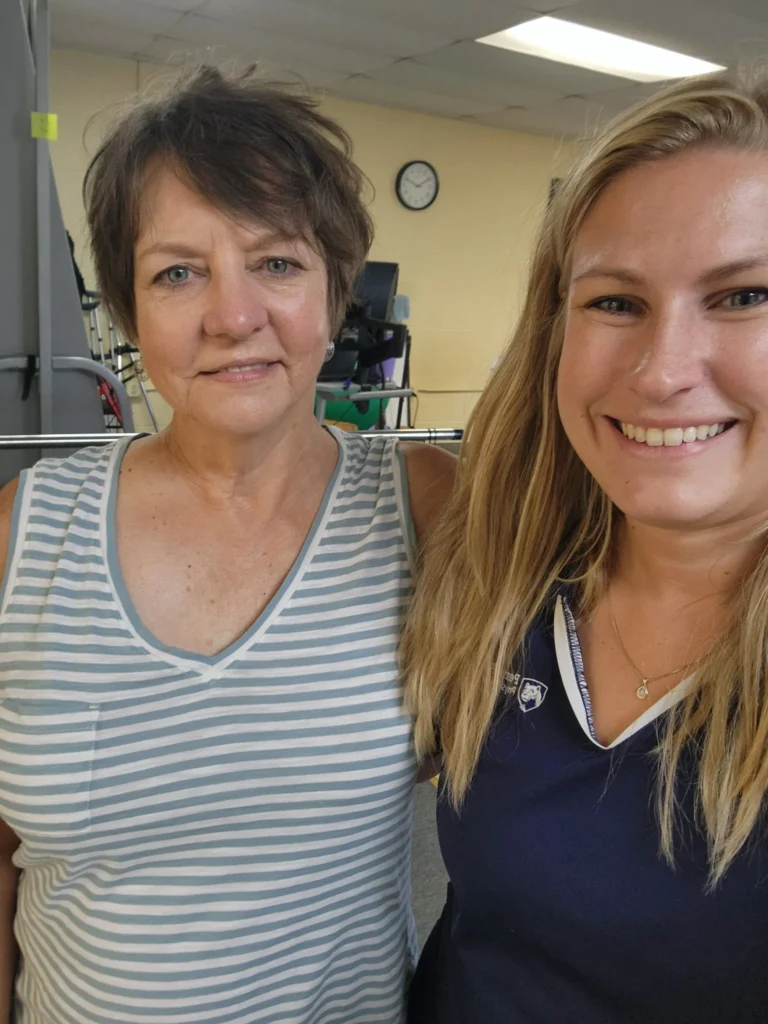
“I avoided surgery for a displaced shoulder and torn rotator cuff by seeing Lycoming Physical Therapy. Miranda worked with me so I am back to golfing, kayaking, and caring for an elderly person. I also was treated for vertigo. I would recommend Lycoming PT 100%!” -Kathy C
What Sort of Exercises Help the Pelvic Floor?
Your pelvic floor is a muscle like any other, which means exercise will help keep it in top shape! However, you may be wondering what exercises are most beneficial.
Here are some of our favorites to include in treatment plans, but do make sure to check with us before trying anything new:
- Kegels: If you’re like most people, when you hear “pelvic floor exercises,” you probably think of Kegels, a technique for contracting and releasing the pelvic floor muscles. While beneficial, they can be tricky to perform correctly, and the contracting sensation is different for men and women. Fortunately, our team is on the case. We’ll walk you through the process and may use biofeedback technology to ensure you’re working the correct muscle.
- Squats: It’s true–the mighty squat works more than your glutes and hamstrings! To perform a bodyweight squat, stand hip-width apart, then bend your knees as if you’re going to sit in a chair (you can use a chair–sitting down and getting up without using your hands emulates a squat movement).
- Glute Bridges: Glute bridges are another great exercise for targeting the core, glute, and pelvic floor muscles. They involve lying on your back with your knees bent, slowly lifting your hips up from the floor, and pressing down on your sides with your arms (see our exercise essential above to learn how to do it!).

Get Your Own Unique Exercise Plan Today!
The best way to stretch and strengthen your pelvic floor is to make an appointment at Lycoming Physical Therapy. We’ll provide you with a personalized program designed to suit your needs. Call us today to get started!
Recipe of the Month: Pumpkin Bread

Ingredients:
- 2 cups all-purpose flour, spooned into measuring cup and leveled-off
- ½ teaspoon salt
- 1 teaspoon baking soda
- ½ teaspoon baking powder
- 1 teaspoon ground cloves
- 1 teaspoon ground cinnamon
- 1 teaspoon ground nutmeg
- 1½ sticks (¾ cup) unsalted butter, softened
- 2 cups sugar
- 2 large eggs
- 1 (15-oz) can 100% pure pumpkin
Instructions:
- Preheat oven to 325°F and place rack in middle. Grease and flour two 8×4-inch loaf pans or use baking spray. In a bowl, whisk flour, salt, baking soda, baking powder, cloves, cinnamon, and nutmeg. In a mixer, beat butter and sugar until blended.
- Add eggs one at a time, beating well, then beat until light and fluffy. Mix in pumpkin (mixture may look curdled). Add dry ingredients and mix on low until combined.
- Divide batter between pans and bake 65–75 mins, until tester comes out clean. Cool in pans 10 mins, then transfer to wire rack.