



Fall Prevention and Staying Active During Winter Weather
Fall Prevention & Staying Active During Winter Weather
Brrr, it’s cold out there! With winter and icy weather comes safety risks, such as getting injured from a strain while shoveling (or slipping on ice as you walk in a parking lot!)

Having your balance assessed this season could help you to avoid fall-related injuries.
Give Lycoming Physical Therapy a call today to schedule an appointment, so we can help you feel steady on your feet!
Request AppointmentOur therapists are the balance experts in the field and want to make sure our patients lower their fall risk as much as possible.
Staying Safe and Active in Winter

Between the limited daylight hours, chilly temperatures, and occasionally icy conditions outside, staying safe and healthy can be challenging. Anything you can do to keep active during the winter months is a step in the right direction!
Ice and snow are the biggest threats that winter poses, especially to older patients! Slipping on ice can result in nasty, painful falls. However, with preparation and planning, you can stay safe and active in the winter months. This may sometimes feel difficult to accomplish due to injuries and inclement weather, but knowing the proper steps to take can help you keep doing the things you enjoy no matter the conditions outside.
The most common injuries related to cold weather happen from falls on icy sidewalks, steps, driveways, and porches. Ideally, you will stay off the ice when possible. Walking on ice is extremely dangerous, regardless of how good your balance is. Do your best to keep your steps and walkways free of ice with sand, salt, or cat litter.
If you plan to run or walk on snowy, icy surfaces, attaching snow or ice spikes to your boots or running shoes will help you maintain traction to reduce the risk of falls. Be careful when wearing spikes on the pavement as they are designed to penetrate the ground and affect your balance.
How Can a Balance Expert Help Me Reduce My Fall Risk?

The physical therapists at Lycoming Physical Therapy are balance experts who can help you improve your balance and fight back against the risk of falling this winter.
Your therapist will perform a thorough physical examination to identify the source of your pain and/or injuries if they are present. Your mobility, strength, balance, and gait will be assessed as well to determine your fall risk. This information will help us create a program that includes targeted manual techniques, mobility work, strengthening, and any appropriate balance and gait techniques that can help keep you upright and on your feet this season!
What Should I Expect During Therapy?
The first thing you should know about therapy for balance is that this kind of therapy is not a “one size fits all” approach. Your program will be specific to your needs and wants and fit into your lifestyle.
Some of the interventions you can expect to experience are:
Strengthening Exercises
These exercises will address muscle weakness which is often a primary contributing factor to poor balance and falls during winter weather. With strength and balance training, patients are better equipped to recover from unexpected lapses in gait or a momentary loss of balance to prevent falls.
Gait Training
Gait training will include activities to improve gait mechanics and increase your confidence and safety in navigating across different terrains (icy sidewalks, porches, parking lots) and around various obstacles, such as snow. Our physical therapists will also evaluate the need for an assistive device or perhaps adjust the device you are currently using.
Static and Dynamic Balance Training
This kind of training will be incorporated into your physical therapy treatment to help your body learn how to better respond to environmental challenges to your balance. For example, you may be asked to stand on one leg while performing a mentally challenging task, such as reciting the alphabet or reading a paragraph of text out loud. Our physical therapists will also teach you balance strategies to help mitigate fall risk.
Endurance Training
Endurance training may improve muscle endurance and improve aerobic capacity for activity. Both will reduce fatigue as a risk factor for falls when walking or completing daily tasks.
It’s Your Choice!
Direct access allows you to be in control of your healthcare and the speed at which you’re able to receive it. Direct access laws allow patients to receive an evaluation and treatment from a physical therapist without a physician’s referral.
This means less time and money spent trying to find a solution to your pain and discomfort.
If you require physical therapy for a chronic condition or recent injury, call our clinic today to request an appointment and get started on your journey towards a pain-free life.
Patient Success Story
“Outstanding knowledge of rehab exercises needed by patients to recover from their surgery or injury. A very friendly staff who work with you for your best results. I enjoyed my rehab sessions. Thank you for your time and efforts. Even the peanut gallery was great.”
Struggling to Get Through the Day on Your Feet?
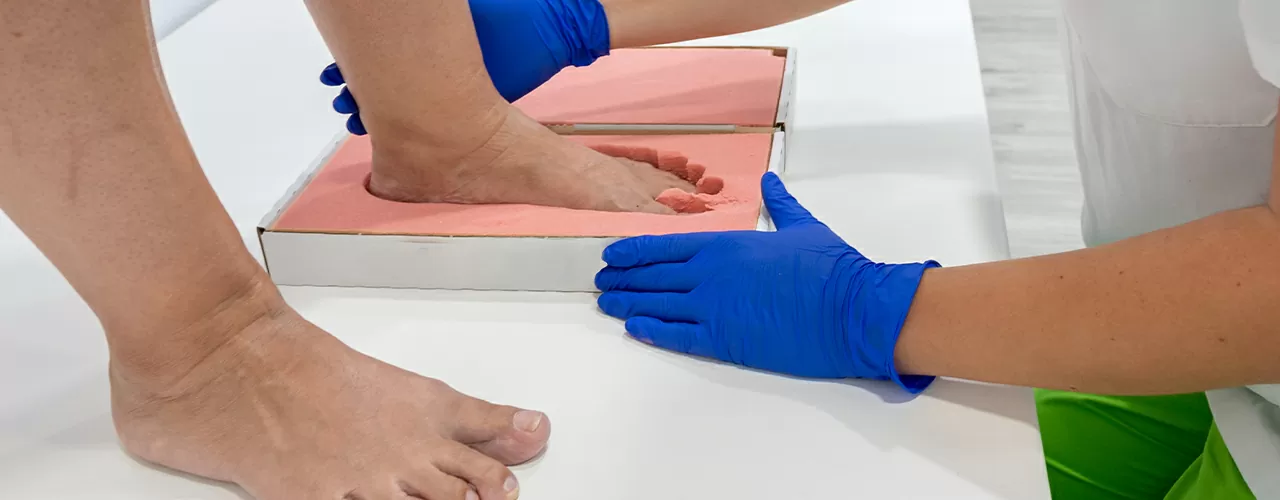
As we age, our feet change shape, our ligaments lose support, and old injuries can catch up with us — often showing up as pain in the legs and feet that makes even everyday tasks harder. If you find yourself avoiding time on your feet, a custom orthotic from Lycoming Physical Therapy may be exactly what you need.
What Can Cause Foot Pain?
Foot pain isn’t always about the feet themselves — it can stem from a range of conditions, many of which respond well to physical therapy:
Metatarsalgia
Metatarsalgia, often caused by ill-fitting or restrictive footwear, causes pain in the joints and bones near the ball of the foot.
Heel Spurs
Heel spurs, bony buildups on the heel, can poke surrounding tissue and cause significant discomfort.
Plantar Fasciitis
Plantar fasciitis brings pain along the sole of the foot as tissue connecting the heel to the toes becomes tight or inflamed.
Diabetes
Diabetes can lead to nerve damage and poor circulation in the feet, creating uneven pressure that raises the risk of sores and infections.
Arthritis
Arthritis can stiffen and swell the joints throughout the foot, changing the way you stand and walk over time.
Other conditions we treat include patellofemoral knee pain, shin splints, Achilles tendonitis, and bunions.
Why Choose Custom Orthotics?

Unlike off-the-shelf inserts, custom orthotics are individually crafted to fit the exact shape of your feet, offering longer-lasting support and correction. Depending on your needs, your therapist may recommend a functional orthotic to help your feet move and bear weight more efficiently, an accommodative orthotic to ease stress on painful joints, or a therapeutic orthotic to support irregular foot shape and improve stability.
Our physical therapists are trained in gait analysis and lower-extremity biomechanics, so your evaluation takes your full activity level and medical history into account. After a comprehensive fitting, your custom orthotics typically return from the lab within a few weeks, and we’ll follow up to fine-tune the fit until it’s right.
How to Perform the Stretch
Lie on your back with both legs extended. Loop a resistance band around the bottom of one foot and gently pull the band to lift that leg toward the ceiling, keeping your knee straight and your opposite leg flat on the floor. Hold the stretch, feeling a gentle pull along the back of your thigh, then slowly lower your leg. Repeat on the opposite side.

Roasted Butternut Squash Soup
Ingredients
- 1 medium butternut squash, peeled and cubed
- 1 tablespoon olive oil, plus a splash for the pot
- 1 small yellow onion, chopped
- 1 medium carrot, chopped
- 2 cloves garlic, minced
- 4 cups vegetable broth
- ½ cup coconut milk or light cream
- ½ teaspoon ground cinnamon
- ¼ teaspoon ground nutmeg
- Salt and black pepper to taste
- Fresh sage or thyme, for garnish (optional)
Instructions
- Preheat the oven to 400°F (200°C). Toss the squash with olive oil and a pinch of salt, then roast on a baking sheet for 25–30 minutes, until tender and lightly caramelized.
- While the squash roasts, warm a splash of olive oil in a large pot over medium heat. Add the onion and carrot and sauté for 5–6 minutes, until softened.
- Add the garlic and cook for 1 minute, until fragrant.
- Add the roasted squash and vegetable broth to the pot. Bring to a simmer and cook for 10 minutes to let the flavors combine.
- Blend until smooth, using an immersion blender or working in batches with a stand blender.
- Stir in the coconut milk, cinnamon, and nutmeg. Season with salt and pepper, and simmer for a few more minutes.
- Ladle into bowls and garnish with fresh sage or thyme before serving.